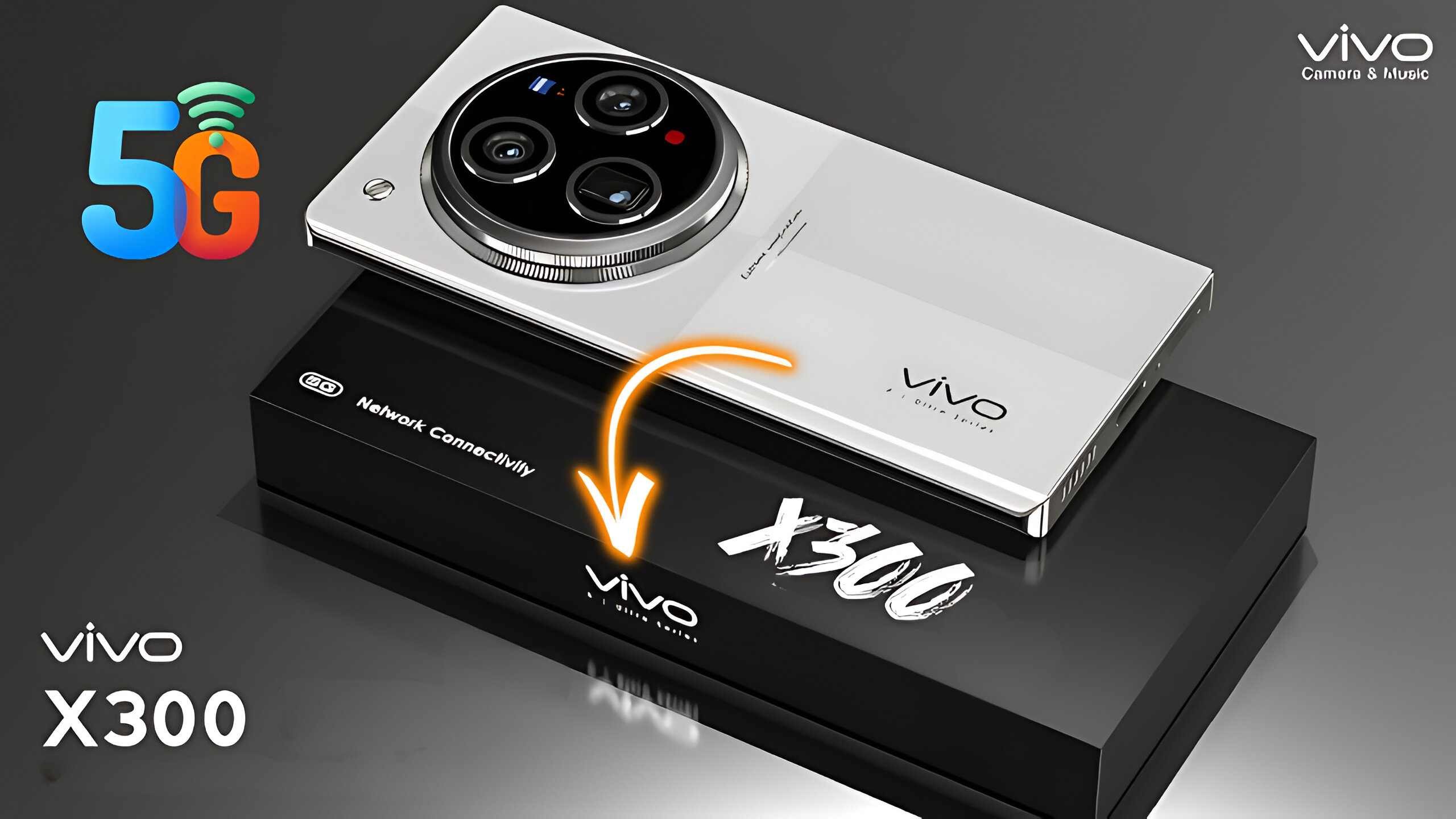
Vivo has officially taken the wraps off its flagship X300 series for global markets, marking an important shift in the brand’s international strategy. For the first time, Vivo is offering its China-focused OriginOS to users outside China, replacing the familiar Funtouch OS experience. The Vivo X300 and Vivo X300 Pro arrive with premium hardware, a strong focus on photography, and polished design elements that aim to compete directly with other ultra-flagship Android phones launching in 2026.
This global launch shows Vivo’s confidence in its ecosystem and camera expertise. While the international models come with slightly smaller batteries than their Chinese counterparts, they retain most of the high-end features that define the X300 lineup. From advanced Zeiss-backed cameras to powerful MediaTek silicon and long software support, the X300 series positions itself as a serious option for users who want a refined flagship experience.
What Exactly Is the Vivo X300 Global Series
The Vivo X300 global series consists of two models, the Vivo X300 and the Vivo X300 Pro. Both devices are designed to deliver top-tier performance, premium build quality, and camera-centric features, but they cater to slightly different audiences. The standard X300 focuses on a compact flagship form factor, while the X300 Pro targets users who want the most advanced photography tools Vivo currently offers.
A major highlight of the global release is the inclusion of OriginOS 6, based on Android 16. This software has long been exclusive to China and is known for its cleaner interface, smoother animations, and deeper customization options. With this move, Vivo is signaling a clear intent to improve its global software reputation and compete more aggressively with brands like Samsung, Google, and Apple in the premium segment.
Design Philosophy and Display Experience
The Vivo X300 series carries forward Vivo’s signature design language but with subtle refinements that make the phones look more modern and polished. Both models feature a circular rear camera module with smoother edges and a balanced layout. The matte glass finish not only adds to the premium feel but also helps reduce fingerprints during daily use.

In terms of display, the Vivo X300 is positioned as a compact flagship with its 6.31-inch LTPO AMOLED panel. The X300 Pro steps things up with a larger 6.82-inch screen, ideal for media consumption and gaming. Both displays support adaptive 120Hz refresh rates, ensuring smooth scrolling while conserving battery life when high refresh rates are not needed. Vivo has also upgraded the fingerprint scanner to an ultrasonic unit, offering faster and more reliable unlocking compared to traditional optical sensors.
Camera System and Zeiss Photography Focus
Photography remains at the heart of the Vivo X300 series. The standard Vivo X300 features a 200MP main camera sensor paired with a 50MP telephoto lens and a 50MP ultra-wide camera. This setup is designed to deliver high-resolution photos with accurate colors, strong dynamic range, and reliable zoom performance for everyday photography.
The Vivo X300 Pro takes a different approach, focusing even more on professional-grade imaging. It uses a high-end Sony sensor for its main camera, a massive 200MP telephoto lens for detailed zoom shots, and a dedicated ultra-wide sensor for landscape photography. Both phones include a 50MP front-facing camera, ensuring sharp selfies and high-quality video calls.
Adding to the appeal is the optional Zeiss 2.35x Telephoto Extender Kit, available exclusively for the X300 Pro. This accessory enhances optical zoom capabilities and is aimed at photography enthusiasts who want DSLR-like flexibility from a smartphone camera.
Performance and MediaTek Dimensity 9500 Power
Under the hood, both Vivo X300 models are powered by the MediaTek Dimensity 9500 processor. This chipset is built to rival Qualcomm’s top-tier offerings, delivering strong CPU and GPU performance along with improved AI capabilities. In real-world use, this translates to smoother gaming, faster app launches, and better multitasking.

The Dimensity 9500 also focuses on power efficiency, helping the phones maintain consistent performance without excessive heat buildup. With ample RAM and fast storage options, the X300 series is well-equipped to handle demanding tasks, from high-end gaming to advanced photography processing.
Battery Life and Charging Capabilities
One of the key differences between the global and Chinese versions of the X300 series is battery capacity. The global Vivo X300 comes with a 5,360mAh battery, while the X300 Pro features a slightly larger 5,440mAh unit. Although these are smaller than the batteries found in the China-only models, they are still competitive for flagship devices.
Both phones support 90W wired fast charging and 40W wireless charging, ensuring quick top-ups throughout the day. Even with moderate to heavy use, users can expect reliable battery life, especially when combined with the adaptive refresh rate and efficient chipset.
OriginOS 6 and Long-Term Software Support
OriginOS 6 is one of the most significant upgrades for Vivo’s global users. Built on Android 16, this software offers a cleaner layout, smoother animations, and fewer pre-installed apps compared to older Vivo interfaces. Customization options are deeper, allowing users to tailor the look and feel of their device more easily.
Vivo has also committed to long-term software support, promising up to five years of major Android updates and seven years of security patches. This puts the X300 series on par with some of the best update policies in the Android ecosystem and adds long-term value for buyers investing in a premium phone.

Price Positioning and Market Availability
The Vivo X300 series enters the global market at premium price points. The standard X300 is positioned slightly above the thousand-euro mark, while the X300 Pro commands a significantly higher price due to its advanced camera hardware and exclusive accessories. To sweeten the deal, Vivo is offering launch discounts, bundled chargers, and special pricing on the Zeiss telephoto extender kit in select regions.
These prices place the X300 lineup directly against other flagship competitors from brands like Samsung, Xiaomi, OnePlus, and OPPO. Vivo is clearly targeting users who prioritize camera quality, software polish, and long-term reliability over aggressive pricing.
Conclusion
The Vivo X300 global series represents a confident step forward for the brand. With OriginOS 6 making its international debut, powerful camera systems backed by Zeiss, and a refined design, the X300 and X300 Pro offer a well-rounded flagship experience. While the slightly smaller batteries may concern some users, the fast charging, efficient performance, and long software support help balance things out. Overall, the Vivo X300 series is a strong option for users seeking a premium Android phone focused on photography, performance, and longevity.
Disclaimer
This article is for informational purposes only. Specifications, features, prices, availability, and software updates may vary by region and can change over time. Readers are advised to check Vivo’s official website or authorized retailers for the most accurate and up-to-date information before making a purchase decision.
